

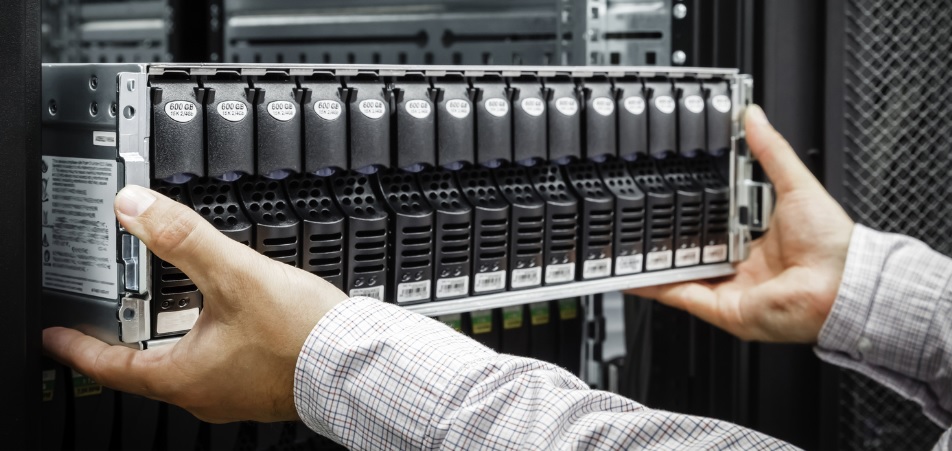
Businesses rely heavily on digital technology to manage customer information, financial records, employee details and confidential commercial documents. While organisations often invest in cybersecurity measures to protect active systems, outdated and unwanted electronic equipment can introduce additional information security risks. Computers, servers, mobile devices and storage media may retain sensitive information long after they have been removed from everyday operations. Responsible IT asset disposal helps businesses manage these risks by establishing appropriate procedures for collecting, tracking, sanitising and processing unwanted equipment. Working with electronic waste management specialists such as Zero Tech Waste can form part of a structured approach to managing redundant technology. By incorporating information security into equipment disposal decisions, organisations can reduce avoidable data exposure while supporting responsible environmental practices.
Understanding IT Asset Disposal
IT asset disposal refers to the processes involved in managing technology equipment that is no longer required by an organisation. This may include computers, laptops, servers, networking equipment, mobile phones, storage devices and other electronic assets.
Equipment may become redundant because of technological upgrades, changes in operational requirements, office relocations or the introduction of new working practices. Although these devices may no longer be useful to the organisation, they can still contain information or components requiring careful handling.
A structured disposal process considers the condition of each asset, the information it may contain and the most appropriate route for reuse, refurbishment, recycling or destruction.
Why Redundant IT Equipment Creates Security Risks
Electronic equipment can retain significant quantities of information throughout its operational life. This may include customer records, login credentials, financial documents, internal communications and commercially sensitive information.
When equipment is removed from service without appropriate security procedures, the organisation may lose control over who can access the information it contains. Devices stored indefinitely in unsecured locations may also be vulnerable to theft, unauthorised access or accidental transfer.
Responsible IT asset disposal addresses these concerns by establishing clear procedures from the moment equipment is decommissioned until its final treatment has been completed. Maintaining oversight throughout this process is particularly important when businesses manage large quantities of redundant technology.
Identifying Devices That Contain Sensitive Information
Computers and servers are often recognised as potential sources of sensitive information, but other electronic devices may also store data. Printers, multifunction office equipment, smartphones, network devices and removable storage media can contain information associated with previous business activities.
Businesses should establish an inventory of equipment requiring disposal and identify which assets contain data-bearing components. The assessment should consider the type of information stored, the sensitivity of that information and the organisation’s security requirements.
Understanding these characteristics helps businesses determine suitable handling and treatment procedures rather than assuming that all unwanted electronic equipment presents the same level of risk.
Establishing a Clear Asset Tracking Process
Asset tracking helps organisations maintain visibility over equipment throughout the disposal process. Records may include device descriptions, serial numbers, asset identification numbers, storage locations and details of subsequent transfers.
These records help businesses establish which devices have been removed from service and whether the appropriate disposal activities have been completed. Accurate tracking can also reduce uncertainty when equipment is collected from multiple offices or storage locations.
For organisations undertaking substantial technology upgrades, maintaining a centralised asset register can support communication between IT departments, facilities managers and external contractors. Tracking arrangements should reflect the sensitivity and volume of the equipment involved.
Protecting Equipment During Temporary Storage
Redundant technology may remain on business premises for a period before collection or processing. Without appropriate arrangements, these devices can accumulate in offices, storage rooms and other locations where access may not be adequately controlled.
Businesses should establish suitable storage procedures for equipment awaiting disposal, particularly where devices may contain confidential information. Access should be restricted to authorised personnel where necessary, and equipment movements should be recorded appropriately.
Damaged devices, batteries and other components may also require specific handling arrangements. Information security and physical safety should therefore be considered together when planning temporary storage.
Understanding the Limitations of Ordinary File Deletion
Deleting documents, formatting storage devices or removing user accounts does not necessarily make previously stored information unrecoverable. Depending on the device and deletion method, information may remain accessible using specialist recovery techniques.
Businesses should avoid relying on ordinary software deletion as the sole method of preparing sensitive equipment for disposal. Appropriate data sanitisation or physical destruction methods should be selected according to the storage technology, information sensitivity and relevant security requirements.
Where equipment is intended for reuse, the organisation should consider whether a suitable sanitisation process can address information security while preserving the device’s functionality.
Maintaining Security During Equipment Collection and Transportation
Information security responsibilities do not necessarily end when redundant equipment leaves business premises. Collection and transportation arrangements can introduce additional risks if equipment is lost, transferred incorrectly or accessed without authorisation.
Businesses should establish appropriate procedures for handing equipment to contractors and recording relevant transfers. Depending on the sensitivity of the assets, secure containers, controlled access arrangements and additional tracking measures may be necessary.
The organisation should understand who is responsible for equipment at different stages of the process and how unexpected incidents will be reported. Clear communication helps maintain accountability throughout disposal activities.
Choosing an Appropriate IT Asset Disposal Provider
Selecting a suitable disposal provider requires consideration of both environmental and information security responsibilities. Businesses should understand how contractors manage data-bearing equipment, what treatment methods are available and how information about completed activities is recorded.
Relevant authorisations, security arrangements and experience should be assessed according to the services being provided. Organisations may also wish to understand whether equipment is transferred to downstream processing facilities and how these arrangements are managed.
Choosing a provider solely on collection cost may overlook important considerations relating to data security, asset tracking and responsible waste management.
Supporting UK Data Protection Responsibilities
Businesses operating in the United Kingdom may have obligations under the UK General Data Protection Regulation and the Data Protection Act 2018 when managing personal information. These responsibilities remain relevant when information is stored on equipment that has reached the end of its operational life.
Organisations should establish appropriate technical and organisational measures to protect personal data throughout equipment disposal. Specific requirements depend on the information involved, processing arrangements and associated risks.
Responsible disposal practices and appropriate documentation can support accountability, but using an external contractor does not automatically remove an organisation’s own responsibilities.
Balancing Information Security With Environmental Responsibility
Physical destruction may be appropriate for certain storage devices and information security requirements. However, destroying every redundant electronic asset without considering its condition may prevent opportunities for responsible reuse.
Where equipment remains functional and suitable sanitisation can be achieved, refurbishment or redeployment may help extend its useful life. This can support more efficient use of materials and reduce unnecessary electronic waste.
Businesses should consider information security and environmental objectives together, selecting treatment routes that reflect the condition of equipment and the risks associated with stored information.
Developing an Organisation-Wide IT Disposal Policy
A documented IT disposal policy helps employees understand how unwanted equipment should be identified, returned, stored and processed. Without clear procedures, individual departments may adopt inconsistent practices that create unnecessary security and environmental risks.
The policy should establish responsibilities for asset tracking, data protection, contractor selection and record keeping. Employees should understand how to report lost equipment, return obsolete devices and identify technology requiring specialist handling.
Regular policy reviews can help ensure disposal arrangements remain appropriate as technology, organisational structures and information security requirements evolve.
Frequently Asked Questions (FAQs) About Responsible IT Asset Disposal
Why is IT asset disposal important for information security?
IT asset disposal helps businesses manage unwanted equipment that may contain sensitive or confidential information. Appropriate tracking, storage and data treatment procedures can reduce the risk of unauthorised access. Disposal should form part of the organisation’s wider information security and technology lifecycle management strategy.
What types of electronic equipment can retain sensitive information?
Computers, laptops, servers, smartphones, storage drives, printers and certain networking devices may retain business information. The type and quantity of stored data vary between devices. Organisations should identify data-bearing equipment and assess its security requirements before deciding how it should be processed.
Is deleting files sufficient before disposing of a business computer?
Ordinary file deletion does not necessarily make stored information unrecoverable. Depending on the storage technology and information sensitivity, appropriate sanitisation or physical destruction may be required. Businesses should select suitable treatment methods and maintain relevant records of completed activities.
Can redundant IT equipment be safely reused?
Equipment may be suitable for reuse if it remains functional and stored information can be sanitised appropriately. Businesses should assess device condition, security requirements and software suitability before redeployment or refurbishment. Reuse can support resource efficiency when these considerations have been addressed.
What documentation should businesses retain after IT asset disposal?
Relevant documentation may include asset inventories, transfer records, data treatment results and certificates or other evidence of completed processing. The appropriate records depend on the equipment and disposal arrangements. Accurate documentation supports internal accountability and helps businesses review their information security procedures.
Conclusion
Responsible IT asset disposal plays an important role in protecting sensitive business information when electronic equipment reaches the end of its operational life. Identifying data-bearing devices, maintaining asset tracking procedures and selecting appropriate treatment methods can help organisations reduce unnecessary information security risks.
Businesses should integrate equipment disposal into their wider technology management and data protection strategies. By combining responsible contractor selection, clear internal procedures and environmental considerations, organisations can establish a more accountable approach to managing redundant technology while supporting sustainable resource management.
